
Posts tagged PlasticWaste
The Design Gap in “100% Recyclable” Packaging and the Case for System-Aligned Circularity

While the label “100% recyclable” has become increasingly common, it is based on a technical definition that does not always translate into real-world outcomes. According to the Organisation for Economic Co-operation and Development, only around 9% of plastic waste globally is actually recycled, highlighting a significant gap between theoretical recyclability and practical recovery.

Read More
India’s 40% rPET Mandate: What It Means for the Packaging Industry

Effective as of 1st April 2026, the move toward 40% recycled content, particularly in food and beverage packaging, creates a clear direction for the industry and a more predictable demand environment for recycled materials. In doing so, it begins to address one of the long-standing barriers in the recycling ecosystem: inconsistent demand.

Read More
Harsh Realities of Informal Waste Workers in Maharashtra, India

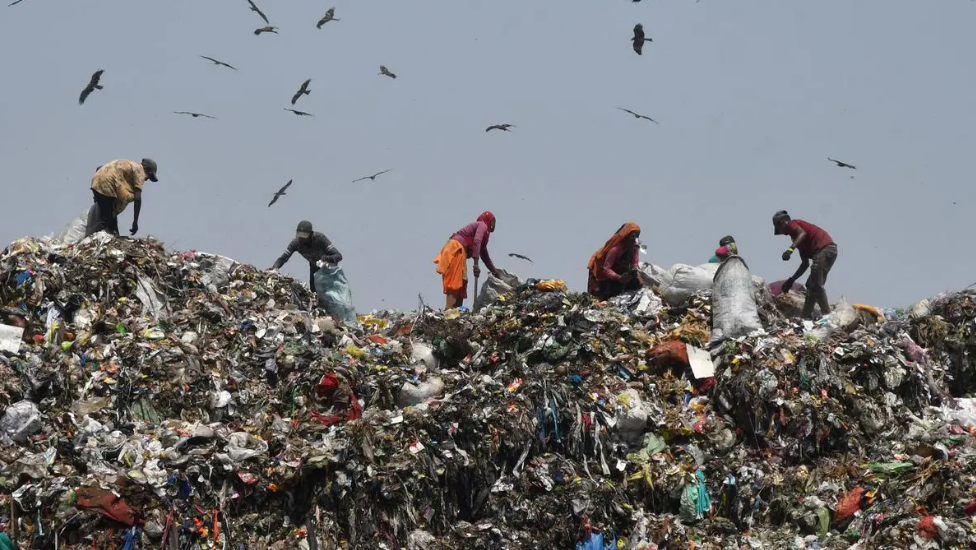
The informal waste economy in Maharashtra is dominated by individuals from historically marginalised communities, such as Scheduled Castes (16.6% of the state’s population) and Scheduled Tribes (9.4%). This demographic faces deep-rooted social stigma and discrimination, leading to the intergenerational persistence of waste work. Mainstream society seldom recognizes their integral contribution, fostering feelings of alienation and isolation among an estimated 100,000 informal waste workers in the state.

Read More
Cracking the Code of EPR: Your Guide to Sustainable Business Practices

EPR is a policy approach that makes producers responsible for the environmental footprint of their products from creation to disposal. It compels companies to actively manage, collect, and recycle waste from their products, fostering sustainable production and consumption patterns. Key components of EPR include lifecycle accountability, encouraging sustainable product design, and reducing environmental impact through a circular economy approach.

Read More
The Journey of Plastics from a Linear to a Circular Economy Model

In recent years, there’s been growing attention on the circular economy—a production model that involves businesses and consumers working together to minimise waste through sharing, lending, reusing, repairing, refurbishing, and recycling materials and products. This model offers a stark contrast to the linear model by promoting resource efficiency and sustainable use. The circular model not only eliminates waste but also regenerates resources, turning what is waste for one process into a valuable input for another.

Read More