
India’s 40% rPET Mandate: What It Means for the Packaging Industry
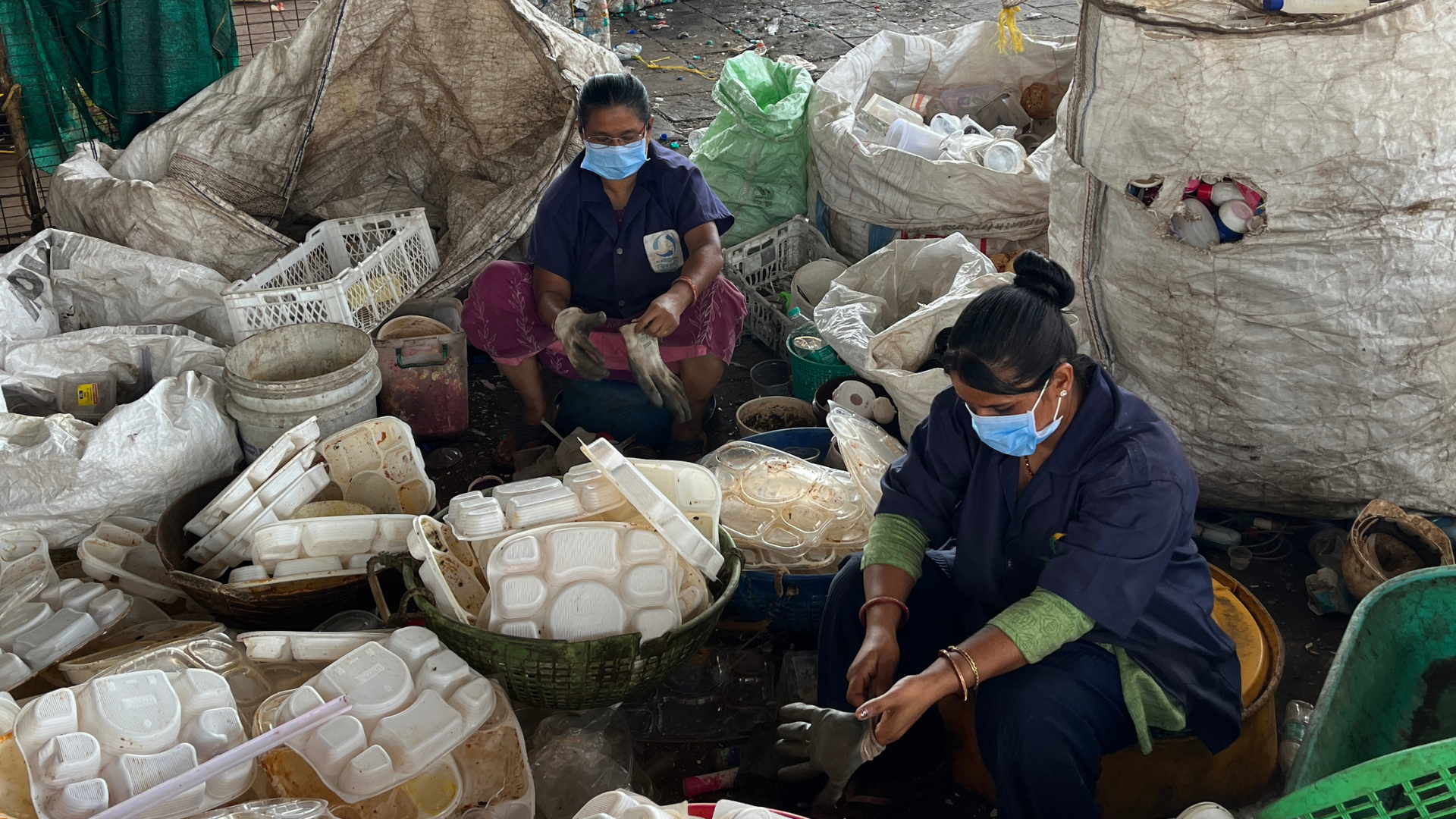
(Source Credits: Plastics For Change)
India’s decision to mandate increasing levels of rPET in packaging marks an important inflection point for the plastics industry. Effective as of 1st April 2026, the move toward 40% recycled content, particularly in food and beverage packaging, creates a clear direction for the industry and a more predictable demand environment for recycled materials. In doing so, it begins to address one of the long-standing barriers in the recycling ecosystem: inconsistent demand.
However, while policy has clarified demand, the supply side remains underdeveloped.
A Market Shift Driven by Regulation
Mandates of this nature fundamentally change market behavior. When recycled content becomes a requirement rather than a preference, it reshapes procurement strategies, investment decisions, and operational priorities across the value chain.
For brands and manufacturers, this means integrating recycled materials into core packaging strategies. For recyclers, it provides visibility on future demand, supporting capacity expansion and technology upgrades. At a system level, the mandate can accelerate the transition toward a circular plastics economy. However, this depends on corresponding improvements in supply chain capability.
The Structural Gaps in Supply and Reframing the Role of Collection
India does not lack plastic waste. The challenge is converting it into consistent, food-grade material. Poor segregation, fragmented collection, and limited traceability continue to constrain supply. This makes rPET not just a recycling issue, but a supply chain challenge. Improvement has to start at the collection stage. In India, this is largely driven by the informal sector, which operates at scale but lacks stability and integration. Strengthening collection systems directly improves material quality and supply reliability.
The real need is for supply chains that can deliver consistent volumes, reliable quality, traceability, and regulatory alignment. More integrated and transparent supply chains can address these gaps. Stronger linkages between collectors, aggregators, recyclers, and brands improve both efficiency and accountability.
At Plastics for Change, the focus has been on developing such systems by working closely with waste collectors and integrating them into formal value chains. This improves traceability, ensures consistent quality, and supports more stable livelihoods for collectors.
The 40% mandate signals clear intent and aligns the industry around a shared objective. For packaging companies, the focus must now shift from compliance to capability. Access to consistent, high-quality recycled material will determine how effectively organisations can adapt. Developing the right partnerships and sourcing strategies will be key.
Achieving your rPET targets will require the right sourcing strategy and partners. Plastics for Change can help you secure consistent, traceable recycled material. Reach out to us to get started: https://www.plasticsforchange.org/rpet-flakesngranules