Posts tagged rPET
Fashion’s Rising Demand for Recycled Polyester Is Redefining Circularity and Inclusion Across Global Supply Chains

The fashion industry’s embrace of recycled polyester is a shift in how industries think about materials, people and responsibility. Plastic-recovery, textile production and social inclusion are now a part of the same story of circularity and purpose.

For supply-chains, this means recognising plastic waste as a valuable resource. For brands, it means aligning material-choices with genuine impact, not just marketing. For communities, it means opportunity, dignity and participation in a global movement for change.

Read More
Japan’s 15% PET Bottle Rule Is Redefining Circularity and Forcing the World to Rethink How (and Who) Makes Recycling Possible

From January 2026, PET beverage bottles sold in Japan will be required to contain at least 15% recycled plastic by weight to receive official certification. Along with this, the Ministry of Economy, Trade and Industry (METI) has mandated a new set of design criteria: bottles must be colourless, labels must be easily separable, and caps must exclude PVC.

Read More
The Rise of Recycled PET (rPET): Market to Double by 2034 and What It Means for Brands

Recent projections from Precedence Research show that the rPET market is on track to grow from USD 12.76 billion in 2025 to USD 26.78 billion by 2034, representing a compound annual growth rate (CAGR) of 8.53%. This isn’t incremental growth, it’s a doubling of market value within a single decade.

Read More
From Pollution to Solution: How Extended Producer Responsibility is Reshaping the Future of Plastics

Extended Producer Responsibility is a policy approach that extends a producer’s responsibility for a product to the post-consumer stage of its lifecycle. In simpler terms, it means that companies that manufacture, import, or sell plastic products are also responsible for collecting and recycling those products after consumers are done with them.

Read More
Safety risks faced by workers in plastic recycling industries

A significant portion of India's plastic recycling workforce operates in the informal sector, comprising individuals from underprivileged backgrounds. Many are migrants from rural areas or belong to socioeconomically disadvantaged groups like Dalits, tribes, and religious minorities, driven by economic necessity to take on this hazardous work. Their precarious financial situation often forces them to prioritise immediate income over personal safety.

Read More
10 ways companies can support the Circular Economy

Plastic offset schemes offer a promising solution, allowing businesses to compensate for their plastic use by supporting initiatives that remove or prevent plastic waste. While offsetting shouldn't replace efforts to reduce plastic consumption, it can be a valuable part of a comprehensive sustainability strategy. Here are ten innovative approaches companies can consider in offsetting their plastics.


Read More
How is recycled plastic made?

It all starts with you. When you place your plastic items in the recycling bin, you're setting off a chain of events. In India, however, the formal waste collection system often falls short. According to a 2021 report by the Centre for Science and Environment, only 60% of India's plastic waste is collected. The informal sector, including waste pickers, plays a crucial role, collecting up to 60% of plastic waste in some cities.

Read More
INC-4: A Step Forward, But Can We Do Better?

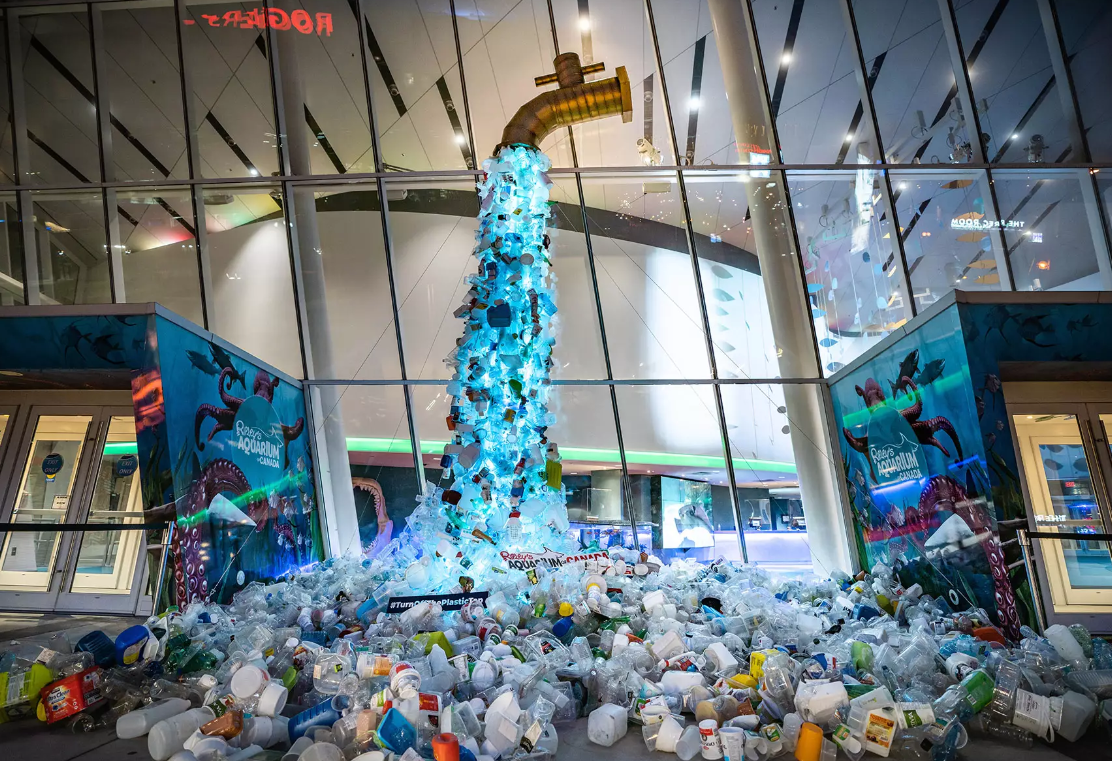
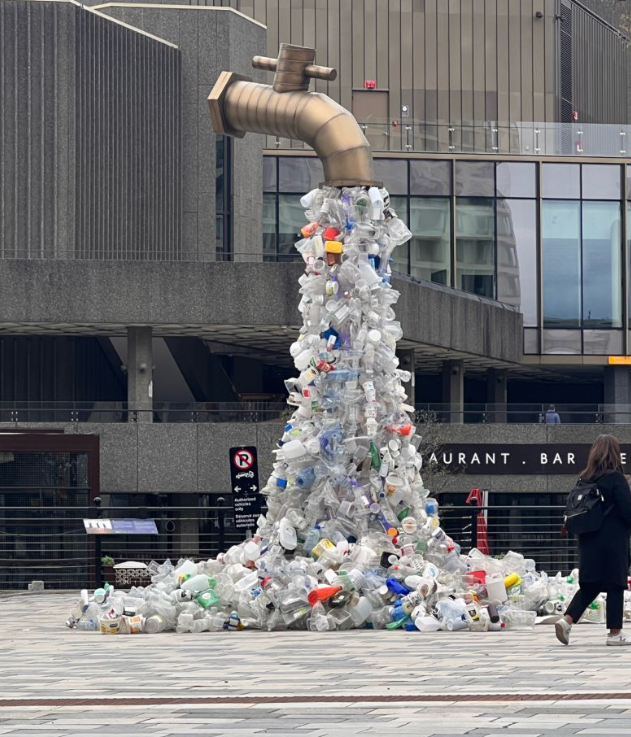
The fourth session of the Intergovernmental Negotiating Committee (INC-4) to develop an international legally binding instrument on plastic pollution, including the marine environment, took place from 23rd to 29th April 2024 at the Shaw Center in Ottawa, Canada. Despite some progress made, the issue with the reduction of plastic production remained unaddressed with various environmental groups expressing their concern about it.

Read More
Scope, Measures, and More: What to Expect at INC-4 on Plastic Treaty Negotiations

The world grapples with a growing plastic pollution crisis. Millions of tons of plastic end up in our oceans every year, harming marine life and ecosystems. To address this pressing issue, the United Nations Environment Programme (UNEP) established the Intergovernmental Negotiating Committee (INC). 

Read More