Posts tagged PlasticsForChange
Fashion’s Rising Demand for Recycled Polyester Is Redefining Circularity and Inclusion Across Global Supply Chains

The fashion industry’s embrace of recycled polyester is a shift in how industries think about materials, people and responsibility. Plastic-recovery, textile production and social inclusion are now a part of the same story of circularity and purpose.

For supply-chains, this means recognising plastic waste as a valuable resource. For brands, it means aligning material-choices with genuine impact, not just marketing. For communities, it means opportunity, dignity and participation in a global movement for change.

Read More
The Hidden Risks of ESG Complacency: Why Standing Still Could Be the Biggest Reputational Risk of All

As regulators ease pressure or shift priorities, many businesses quietly reduce their ESG oversight. But the risks don’t fade just because the rules do. When scrutiny drops, blind spots widen. And those blind spots whether in labour practices, environmental safety, or supplier integrity can cost companies far more than compliance ever did.

Read More
Japan’s 15% PET Bottle Rule Is Redefining Circularity and Forcing the World to Rethink How (and Who) Makes Recycling Possible

From January 2026, PET beverage bottles sold in Japan will be required to contain at least 15% recycled plastic by weight to receive official certification. Along with this, the Ministry of Economy, Trade and Industry (METI) has mandated a new set of design criteria: bottles must be colourless, labels must be easily separable, and caps must exclude PVC.

Read More
A Sustainable Business Opportunity for Scrap Shops in India

India’s scrap shops are vital to the country’s informal recycling sector, yet many face challenges such as unstable income, unsafe working conditions, and limited market access. Plastics for Change bridges this gap by offering scrap shop owners and entrepreneurs a scalable, ethical business model that integrates fair-trade practices with advanced recycling processes. Our franchise model empowers you to transform your scrap shop into a certified aggregation centre, increasing profitability while driving social and environmental impact.

Read More
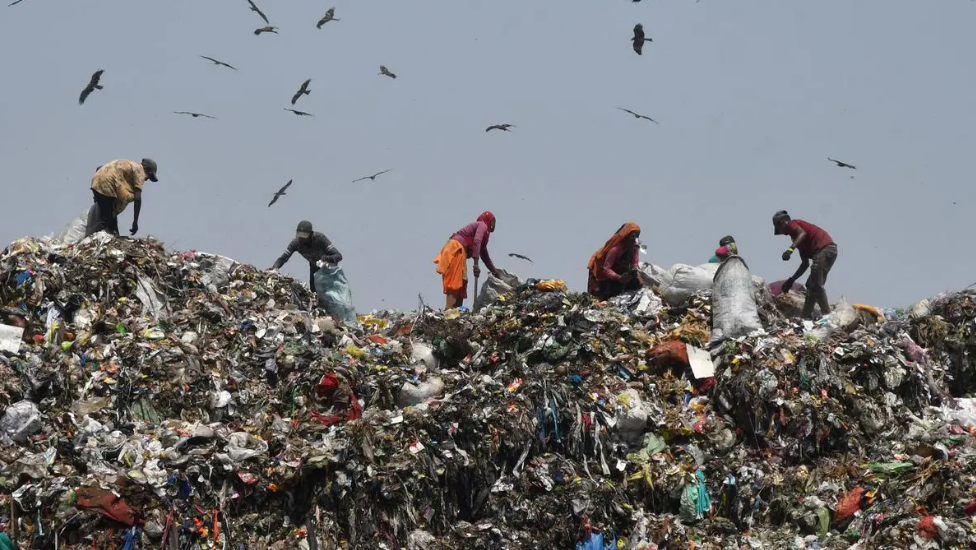
Harsh Realities of Informal Waste Workers in Maharashtra, India

The informal waste economy in Maharashtra is dominated by individuals from historically marginalised communities, such as Scheduled Castes (16.6% of the state’s population) and Scheduled Tribes (9.4%). This demographic faces deep-rooted social stigma and discrimination, leading to the intergenerational persistence of waste work. Mainstream society seldom recognizes their integral contribution, fostering feelings of alienation and isolation among an estimated 100,000 informal waste workers in the state.

Read More
Leading the Way: Understanding Spain’s Plastic Tax and What It Means for Businesses

The key to unlocking the benefits of this regulation lies in EN 15343 certification. This standard ensures the traceability and compliance of recycled materials, addressing both legal obligations and stakeholder expectations.

Read More
INC-5 in Busan: Wins, Challenges, and What’s Next for Tackling Plastic Pollution

The fifth session of the Intergovernmental Negotiating Committee (INC-5) took place in Busan, South Korea, from November 25 to December 1, 2024. It brought together representatives from over 170 countries to work on a global treaty to tackle plastic pollution. While there was progress, many challenges still need to be addressed. Here’s a simple breakdown of what happened.

Read More
The Journey of Plastics from a Linear to a Circular Economy Model

In recent years, there’s been growing attention on the circular economy—a production model that involves businesses and consumers working together to minimise waste through sharing, lending, reusing, repairing, refurbishing, and recycling materials and products. This model offers a stark contrast to the linear model by promoting resource efficiency and sustainable use. The circular model not only eliminates waste but also regenerates resources, turning what is waste for one process into a valuable input for another.

Read More