A recent report, “Plastic Money: Turning Off the Subsidies Tap,” lays it all out: governments in the top 15 polymer-producing countries are spending over USD 30 billion each year to subsidise plastic production. That’s right—while we’re scrambling to fix the mess plastic is causing, some of the world’s biggest economies are still propping up its production.
Plastic is one of the most versatile and cost-effective packaging materials ever developed. It’s lightweight, durable, and scalable. But we’re managing it like a single-use liability rather than a long-term asset.
Currently, less than 20% of global plastic waste is recycled. The rest ends up in landfills, incinerators, or worse leaking into the environment. That’s more than a sustainability issue; it’s a glaring failure in resource utilization and material recovery.
The last session in Busan revealed a deep divide among nations. On one side, over 100 countries including EU members and small island states advocated for bold, binding measures like plastic production caps and chemical bans. On the other, oil-producing nations and industry-heavy economies resisted, citing economic dependencies and feasibility concerns.
The path to a circular economy can be challenging. Though things are changing, companies can still face some big hurdles, but the payoff is enormous. Switching to circular models is costly, and companies often balk at the price tag of overhauling their production lines and supply chain. Plus, there's the headache of tracking materials from start to finish.
Sustainability commitments are driving a surge in rPET usage across industries. The European Union now requires all PET beverage bottles to contain at least 25% recycled plastic by 2025. Meanwhile, major brands have set ambitious targets of incorporating up to 50% recycled plastic into their packaging.
In our desperate search for solutions to the global plastic waste crisis, a dangerous idea has gained traction: burning plastic as a disposal method. This seemingly simple solution masks a multitude of severe consequences that threaten not only our immediate health but the very future of our planet. As we stand at the crossroads of environmental charge and convenience, it's crucial to understand why incinerating plastic is not just ill-advised—it's a potential catastrophe waiting to unfold.
Extended Producer Responsibility is a policy approach that extends a producer’s responsibility for a product to the post-consumer stage of its lifecycle. In simpler terms, it means that companies that manufacture, import, or sell plastic products are also responsible for collecting and recycling those products after consumers are done with them.
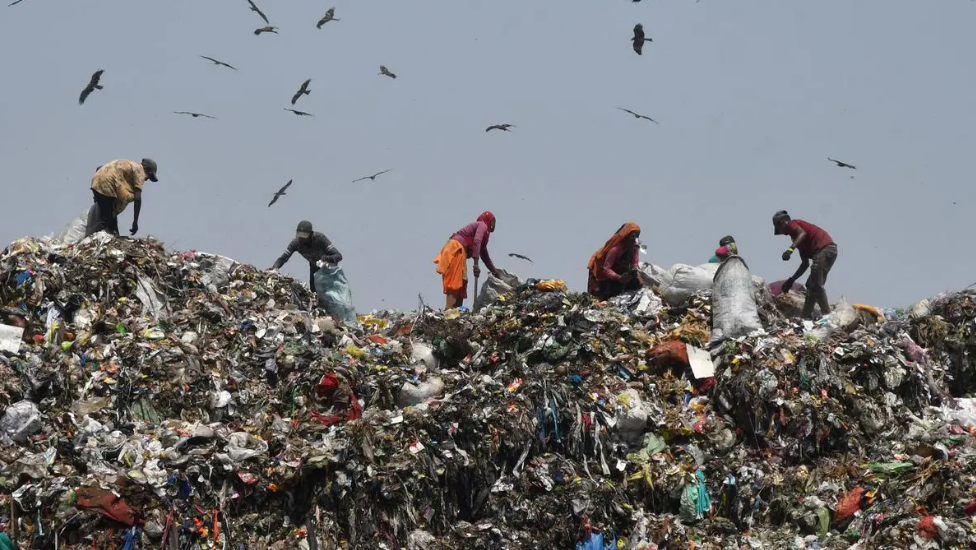
According to the Meridian Institute’s Model Framework for Inclusive Waste Picker Integration, informal waste workers are the foundation of waste management systems in many parts of the world—especially in the Global South. The framework emphasizes the need to move from extractive systems (where workers are used but excluded) to models that promote:
India’s scrap shops are vital to the country’s informal recycling sector, yet many face challenges such as unstable income, unsafe working conditions, and limited market access. Plastics for Change bridges this gap by offering scrap shop owners and entrepreneurs a scalable, ethical business model that integrates fair-trade practices with advanced recycling processes. Our franchise model empowers you to transform your scrap shop into a certified aggregation centre, increasing profitability while driving social and environmental impact.
The production of plastic contributes significantly to greenhouse gas emissions. If plastic production and use grow as currently planned, by 2050, plastic-related emissions could reach 56 gigatons of carbon dioxide - 10-13% of the entire remaining carbon budget. Most plastics are derived from fossil fuels, with the petrochemical industry planning to invest $400 billion in additional plastic production capacity over the next five years, further exacerbating climate change.
In a recent global study by Aura, nearly 40% of consumers said they abandoned a purchase because the packaging wasn’t sustainable. This signals a fundamental change in how people perceive packaging—not as a throwaway utility, but as part of the product’s value and impact.
Going green can’t be a side hustle for fashion anymore. It needs to be at the very core of who they are and what they do. Achieving the goal of reducing environmental impact will require all retailers to think creatively and look for solutions across the value chain, including how products are displayed in stores.
Packaging and Packaging Waste Regulation (PPWR) is a complete overhaul of the way brands design, source, and manage packaging materials. Replacing the outdated Packaging Directive, PPWR enforces stricter, standardized rules across all EU member states. With just 18 months to comply, the time for action is now.
The informal waste economy in Maharashtra is dominated by individuals from historically marginalised communities, such as Scheduled Castes (16.6% of the state’s population) and Scheduled Tribes (9.4%). This demographic faces deep-rooted social stigma and discrimination, leading to the intergenerational persistence of waste work. Mainstream society seldom recognizes their integral contribution, fostering feelings of alienation and isolation among an estimated 100,000 informal waste workers in the state.
In today’s market, sustainability is no longer a niche—it’s a necessity. Consumers are more informed, regulations are getting stricter, and climate goals are under global scrutiny. In response, leading global brands are rethinking the materials they use and the impact of their supply chains. One shift that’s gaining momentum: the move toward fair trade recycled plastic.
A significant portion of India's plastic recycling workforce operates in the informal sector, comprising individuals from underprivileged backgrounds. Many are migrants from rural areas or belong to socioeconomically disadvantaged groups like Dalits, tribes, and religious minorities, driven by economic necessity to take on this hazardous work. Their precarious financial situation often forces them to prioritise immediate income over personal safety.
EPR is a policy approach that makes producers responsible for the environmental footprint of their products from creation to disposal. It compels companies to actively manage, collect, and recycle waste from their products, fostering sustainable production and consumption patterns. Key components of EPR include lifecycle accountability, encouraging sustainable product design, and reducing environmental impact through a circular economy approach.
The key to unlocking the benefits of this regulation lies in EN 15343 certification. This standard ensures the traceability and compliance of recycled materials, addressing both legal obligations and stakeholder expectations.
The fifth session of the Intergovernmental Negotiating Committee (INC-5) took place in Busan, South Korea, from November 25 to December 1, 2024. It brought together representatives from over 170 countries to work on a global treaty to tackle plastic pollution. While there was progress, many challenges still need to be addressed. Here’s a simple breakdown of what happened.
Slow fashion is an umbrella term encompassing garments made from ethically sourced, organic, or recycled materials. These producers often use natural dyes, reducing pollution, and commit to fair labor practices, ensuring their workers are paid fair wages and operate in safe environments.