The 83 Million Year Human Health Liability and the Urgent Case for a People First Circular Economy
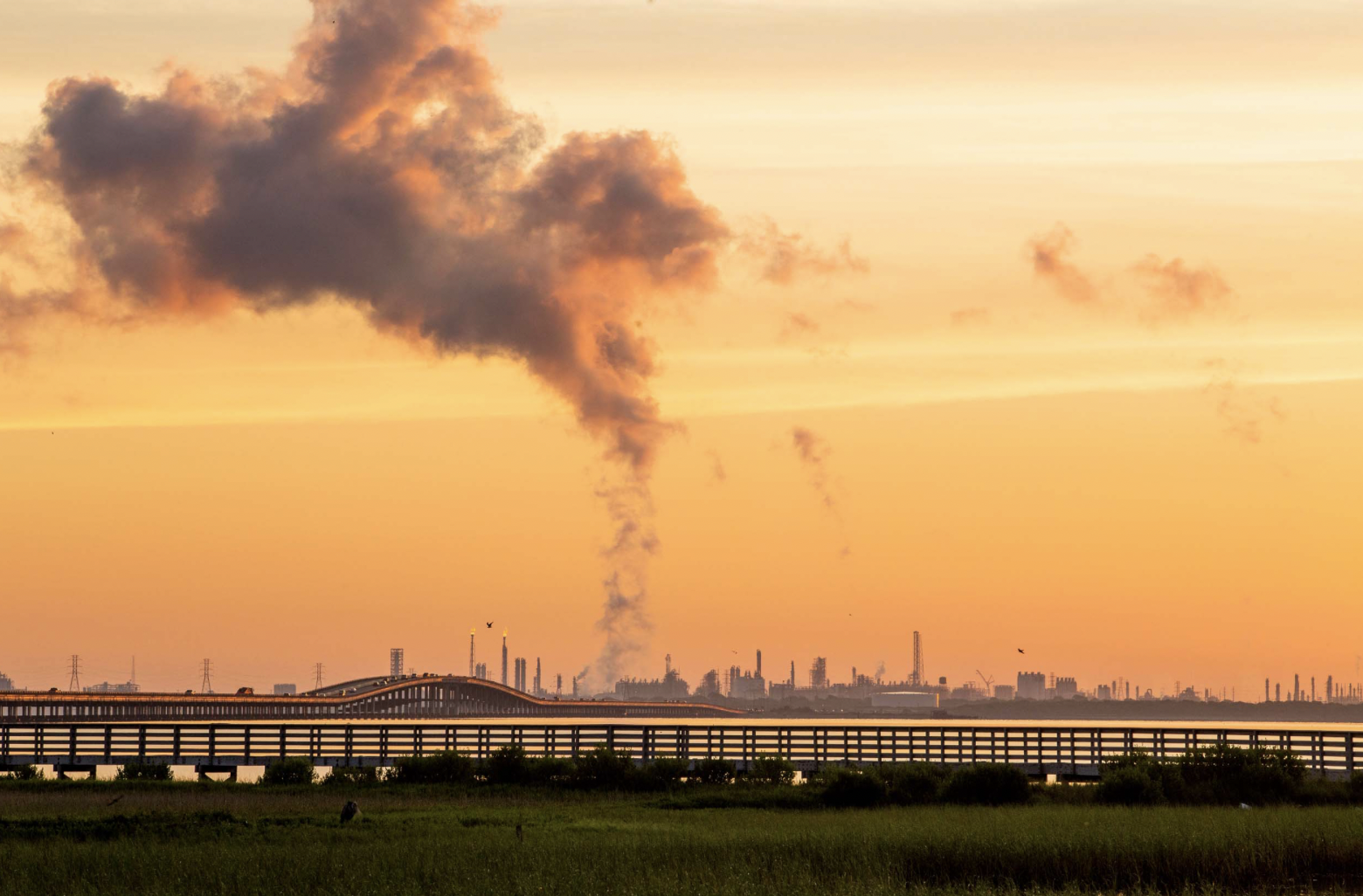
(Source Credits: Texas Standard)
A groundbreaking study recently published in The Lancet Planetary Health titled "Global health burdens of plastics: a lifecycle assessment model from 2016 to 2040" has fundamentally shifted the focus from the end-user back to the point of origin. The researchers utilized a sophisticated lifecycle assessment (LCA) to track the health impacts of the entire plastics system. Their findings were a revelation: over 80% of the total health burden associated with plastics occurs during the production phase.
This means the majority of the harm is “baked in” during the extraction of fossil fuels and the refining of polymers. These industrial processes release a cocktail of greenhouse gases, fine particulate matter, and volatile organic compounds into our shared atmosphere.
Quantifying the Human Toll: To measure the gravity of this issue, the study used Disability-Adjusted Life Years (DALYs), a metric representing the number of years lost due to ill-health, disability, or early death. The data suggests we are facing a massive public health liability:
The Baseline: In 2016 alone, the global plastic system was responsible for 2.1 million years of healthy life lost.
The Trajectory: Under current production trends, the cumulative burden is projected to reach 83 million years of healthy life lost between 2016 and 2040.
The Clinical Reality: These numbers translate to rising global rates of cardiovascular disease, lung cancer, and acute respiratory infections caused by industrial air pollution and chemical toxicity.
Crucially, the report notes that these figures are likely underestimates. They do not yet fully account for the emerging endocrine-disrupting effects of microplastics or the thousands of chemical additives that leach into the environment during daily use.
Recycling as a Strategic Intervention: If the problem is rooted in production, why is recycling still the hero of the story? Because responsible recycling is one of the most effective ways to decouple economic growth from primary plastic production.
The Lancet researchers found that while improved waste management is essential, the most significant health gains, a potential 43% reduction in the total health burden by 2040 occur when we combine high-efficiency recycling with a reduction in primary plastic output. By keeping existing materials in a circular loop, we reduce the demand for virgin plastic, which directly lowers the toxic emissions from petrochemical hubs that disproportionately affect vulnerable communities.
Our strategy at Plastics For Change
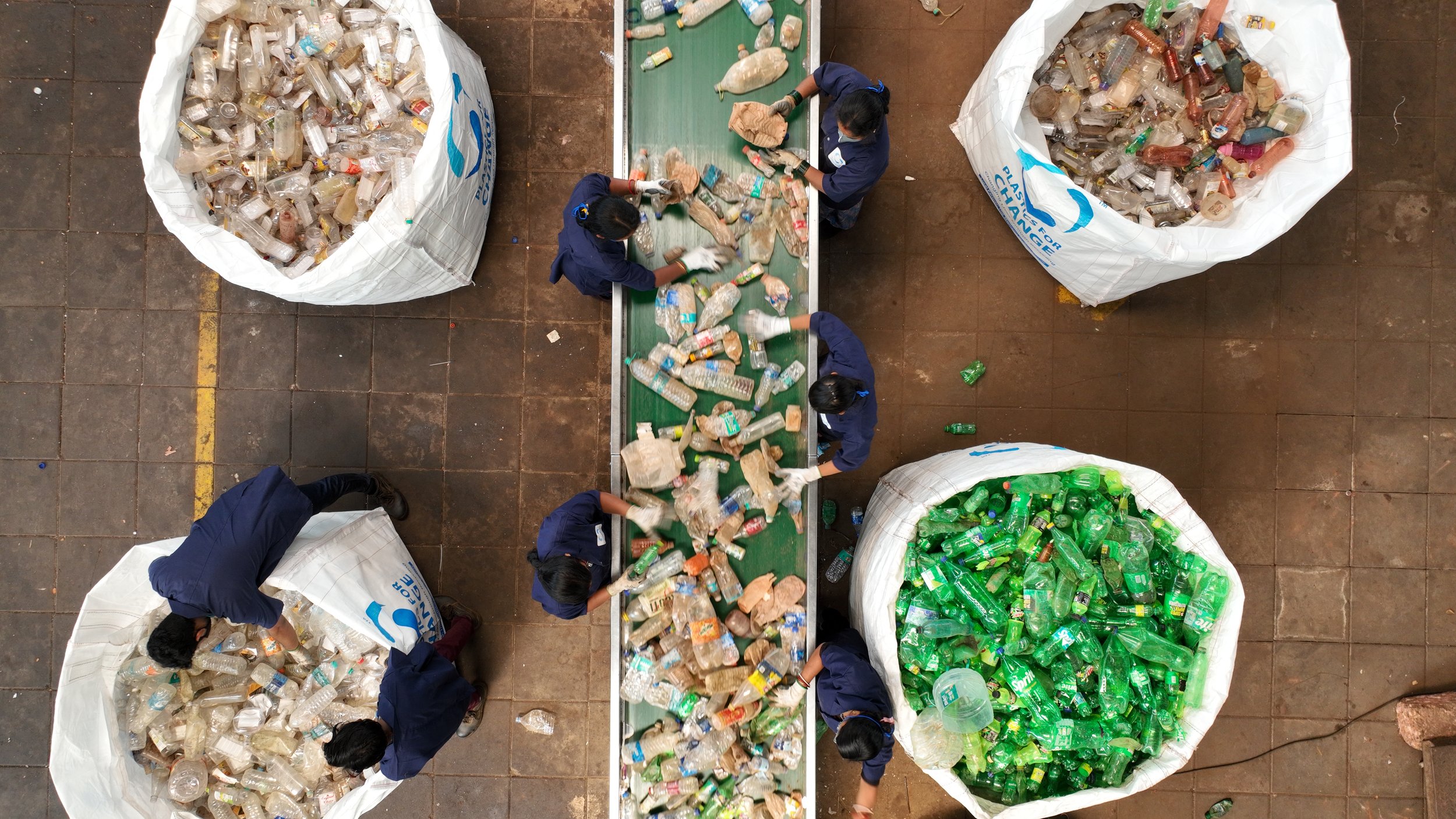
(Source Credits: Plastics For Change)
We believe the solution to the plastic crisis must have a heartbeat. We see waste as a resource that, when managed ethically, can provide dignified livelihoods and safer environments.
We are moving the needle by focusing on:
Dignified Livelihoods: We provide waste collectors with fair, predictable wages, ensuring that the people on the front lines of environmental protection can afford healthcare and education for their families.
Operational Safety: We work to professionalize the informal sector, reducing the health risks waste workers face from improper handling and environmental exposure.
A Just Transition: As global policy shifts toward circularity, we ensure that the millions of informal workers, the world’s most efficient recyclers, are central to the new economy, not displaced by it.
By supporting ethical recycling, you procure your high quality WFTO, B Corp & OBP plus Social verified raw materials whilst also protecting lives and investing in a more resilient global community.