
Why Beach Cleanups are a Critical Intervention in Systemic Plastic Leakage (and What Brands Can Do About It)
(Source Credits: Plastics For Change)
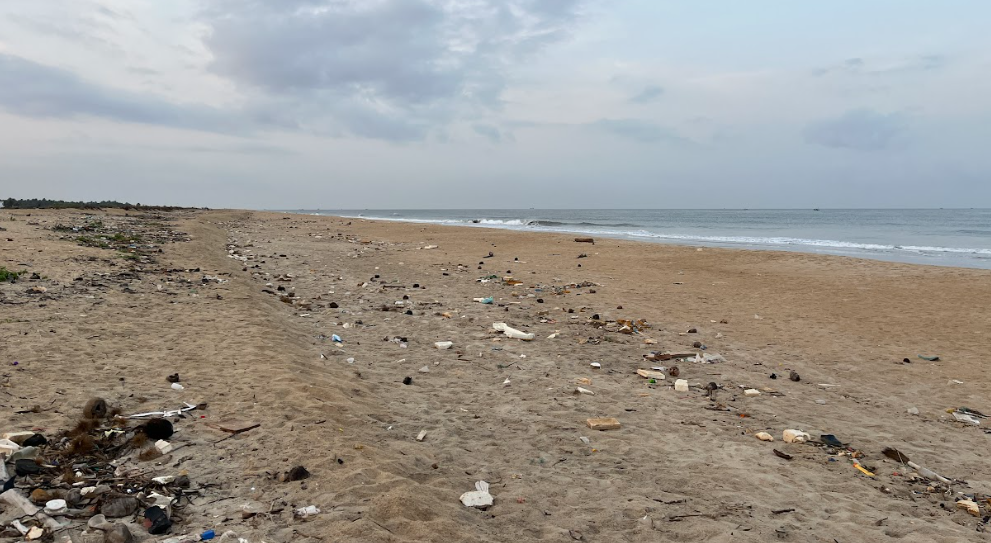
The global discourse on plastic pollution often focuses on upstream design and midstream collection. However, the physical reality of plastic leakage remains a stark indicator of a broken system. Despite the push for “system-aligned design,” current data from Systemiq confirms that approximately 11 million metric tons of macroplastics continue to enter our oceans annually.
This leakage represents not just an environmental failure, but a total loss of material value from the circular economy. For brands, this is a supply chain and reputational challenge that requires a strategic response.
Why Materials Reach the Shore: The presence of plastic on our beaches is the physical manifestation of the System Gap. Our frequent interventions by our team across various coastal regions in India highlight a troubling reality: the inventory of waste is disturbingly consistent. While companies and locations may shift, the categories remain the same, ranging from lightweight thermocol to discarded footwear like stilettos.
Data from the OECD indicates that this leakage is driven by three primary systemic failures:
Underfunded Collection Infrastructure: In many regions, the lack of primary waste collection means that plastic is often discarded in open loops, eventually migrating through waterways to the ocean.
The Low-Value Trap: Materials like thermocol or flexible, multi-layer plastics (MLP) often lack the economic incentive for collection. Because they are not economically recyclable in the current market, they are the most likely to be found in coastal environments.
The Fragmentation Threshold: Once plastic enters the marine environment, it begins to degrade into microplastics. This fragments the problem into billions of pieces, making recovery exponentially more difficult and directly harming both marine life and human food chains.
Strategic intervention with Beach Cleanups as Data & Recovery:
At Plastics For Change, we view beach cleanups as an everyday strategic operation to recover Ocean Bound Plastic (OBP) before it reaches a point of no return through our waste collectors. By analyzing the debris recovered during these interventions, we gain critical insights into which packaging formats are failing the system. This data-driven approach allows us to advocate for better upstream design while providing an immediate solution for the waste that is already "in the wild."
What Brands Can Do?
For brands looking to lead in the circular economy, the strategy must evolve from theoretical recyclability to active recovery. Here is how brands can take accountability:
Offset Your Plastic Footprint: Brands can take immediate responsibility for their environmental impact by investing in verified plastic credit programs. This funds the removal of an equivalent amount of plastic from nature that your production puts in.
Support Ethical OBP Supply Chains: By sourcing Ocean Bound Plastic for new packaging, brands create the economic pull necessary to incentivize collectors to pick up low-value materials before they reach the water.
Invest in System-Aligned Design: Use data from coastal recoveries to identify leakage-prone packaging and transition to materials that fit the actual infrastructure of the markets where you sell.
Bridging the Gap with us:
(Source Credits: Plastics For Change)
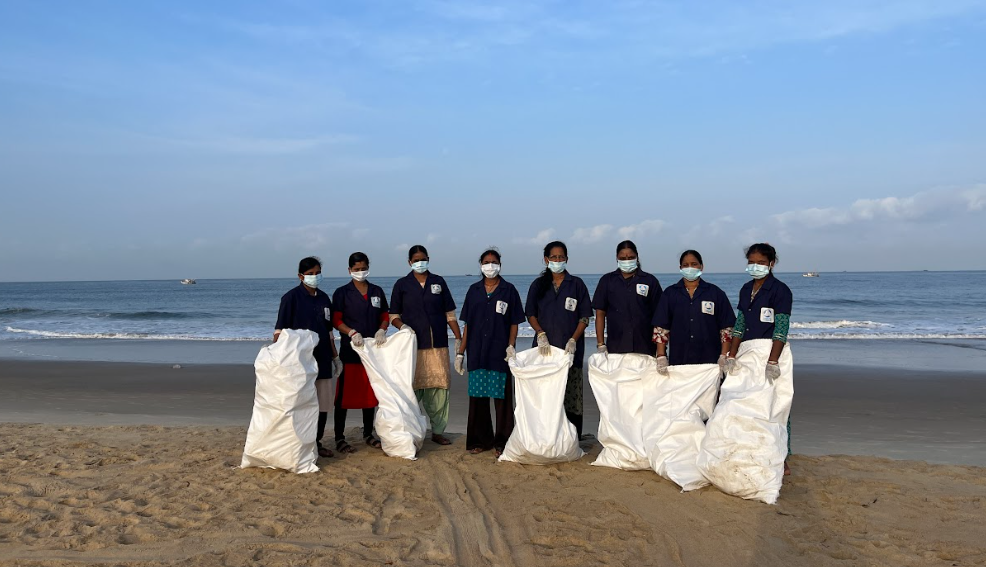
At Plastics For Change, our verified and certified (WFTO, Social+ OBP, B Corp) supply chain treats coastal recovery as a vital component of a resilient circular economy.
Verified OBP Recovery: We ensure that waste collected near coastlines is tracked and verified through a rigorous chain of custody.
Social Dignity in Recovery: By formalizing our waste collectors roles, we provide fair wages and healthcare, ensuring that your brand's sustainability goals also drive social impact.
The era of passive sustainability is over. To achieve true circularity, brands must actively intervene in the leakage cycle.
Align your brand with a cleaner ocean. Partner with Plastics For Change to offset your plastic footprint through high-impact coastal recovery and source ethically recovered materials that create value for your business and the planet.
Reach out to us to Offset Your Plastic Footprint: Plastic Recovery