
Why Extended Producer Responsibility (EPR) Is the New Blueprint for Circular Supply Chains
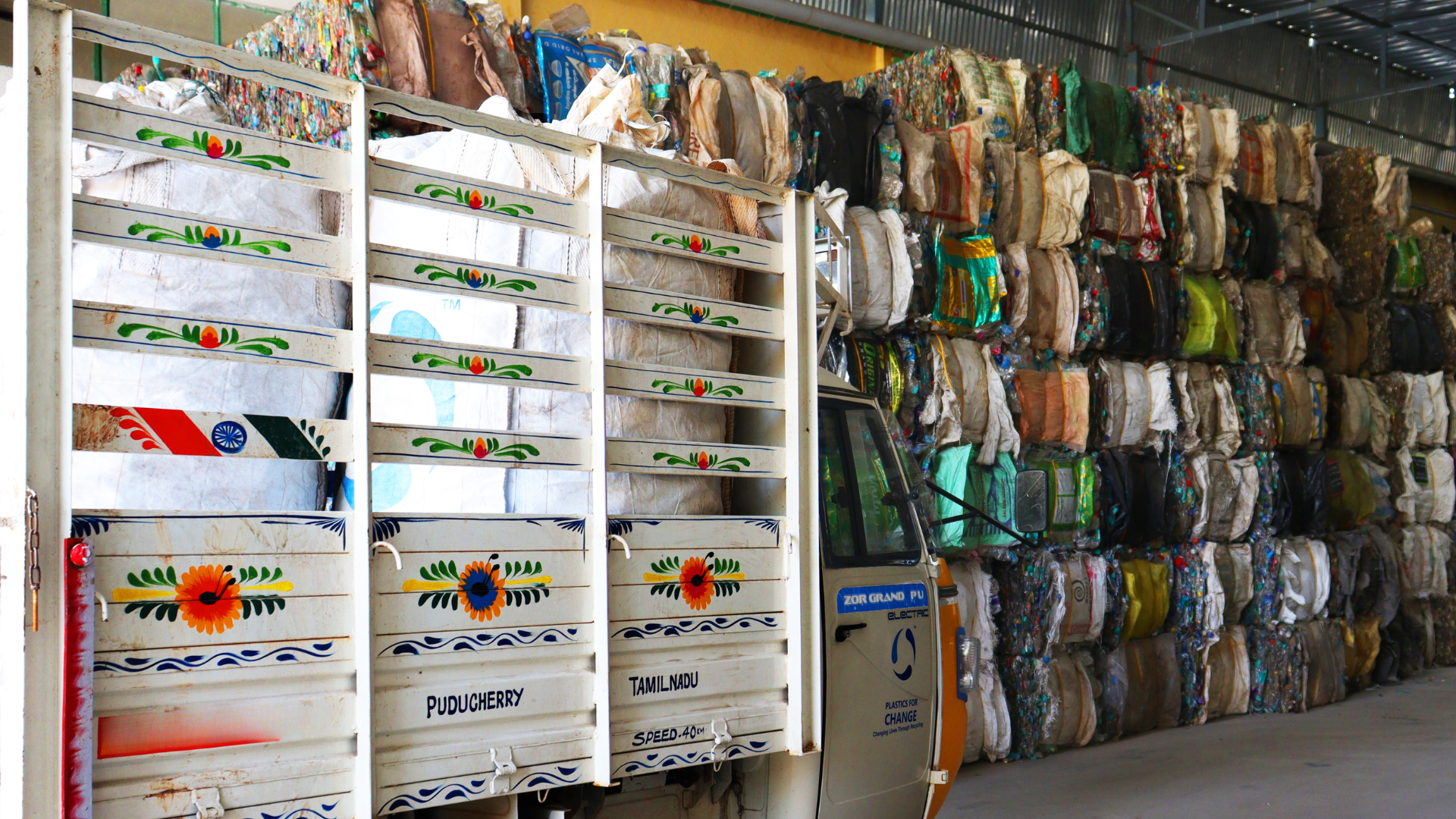
(Source Credits: Plastics For Change)
For years, procurement teams viewed Extended Producer Responsibility (EPR) as an administrative tax. Today, that perspective is obsolete. As global regulations tighten, EPR is transforming into the primary financial engine driving the circular economy.
When properly designed, an EPR framework does what voluntary corporate goals never could: it enforces accountability, mandates data transparency, and injects predictable funding into underdeveloped waste infrastructure.
However, a critical rift has emerged. Developed markets rely on automated, municipal waste systems. Conversely, developing economies where the majority of environmental plastic leakage occurs rely entirely on the informal sector to do the heavy lifting. To build true operational resilience, international brands must move past a "one-size-fits-all" compliance strategy and adapt to these localized mechanics of modern EPR.
Moving Beyond Voluntary Cleanups to Mandated Accountability
Voluntary corporate cleanups and independent brand initiatives have their place, but they cannot match the sheer scale of the global plastic crisis. The transition to a circular model requires mandatory, legally backed legislation coordinated closely between industry stakeholders and governments.
India’s sweeping EPR legislation, enacted in 2022, serves as a powerful proof of concept for this shift. By establishing a centralized national portal and mandating progressively rising recycled-content targets, the government brought tens of thousands of importers, producers, and brand owners under a singular, transparent ecosystem.
The baseline results are staggering: official metrics show that over 20 million tonnes of plastic packaging waste have been recycled through this regulated framework. When legislation provides the rules and industry provides the operational execution, scale happens automatically.
Keeping Capital in the Loop: A successful EPR scheme cannot treat packaging fees as a standard fiscal tax. Funds must be strictly ringfenced to build collection, sorting, and processing infrastructure for the specific materials put into the market. Protected funding streams unlock two massive economic levers:
De-Risking Private Capital: Predictable, legally mandated fees create the financial stability needed for long-term infrastructure investment.
Building Market Demand: Subsidizing the collection of low-value waste (like flexible, multi-layer plastics) creates a continuous economic pull that keeps materials out of the environment.
For brands, EPR is not a lost cost. It is an investment that expands supply chain capacity, ensuring a steady stream of high-quality recycled feedstock for future packaging.
The Reality of Local Customization: A major pitfall for multinational brands is copying a Western European compliance framework and applying it to the Global South. A system that succeeds in Hamburg will collapse in Mumbai if it ignores local realities. Effective EPR must be tailored to regional nuances:
Socio-Economic Alignment: Frameworks must match localized packaging habits, geographic challenges (like island or river logistics), and local administrative capacities.
Context-Sensitive Design: In South Africa, for example, mandatory EPR explicitly ties producer obligations to national social and economic transformation goals.
Tailoring is not a loophole to dilute targets; it is the exact operational mechanism that makes a compliance scheme functional in the real world.
Social Dignity: The Core of the Collection System
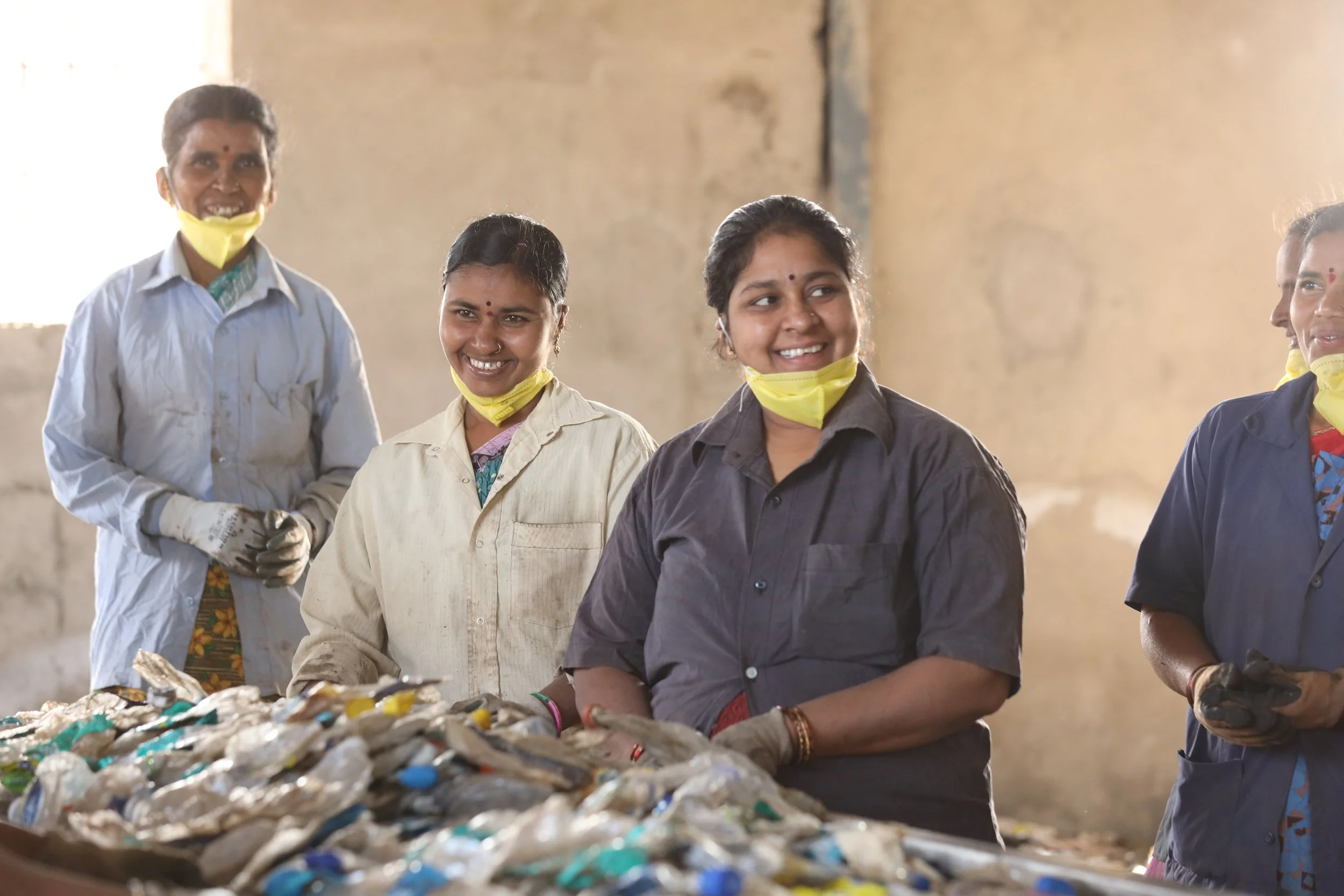
The most critical factor distinguishing EPR in emerging markets is the human infrastructure. Globally, an estimated 15 million informal waste workers collect the vast majority of recyclable materials. Any EPR framework that seeks to displace these workers through exclusionary corporate systems or premature automation is fundamentally flawed.
At Plastics For Change, our verified supply chain treats the integration of these collectors as an operational necessity. True circularity cannot exist without Social Dignity.
(Source Credits: Plastics For Change)
When an EPR model formalizes the informal sector by securing fair wages, healthcare, and safety gear, it bridges the systemic gap and creates a resilient waste management network. A professionalized collection workforce is the only reliable way to secure the clean, traceable data required for corporate compliance.
The era of passive sustainability is over. EPR forces brands to account for the entire packaging lifecycle. It transitions your focus from simply managing regulatory risk to turning environmental liabilities into ethical corporate assets.
Navigating fragmented regulations requires an on-the-ground partner with a certified supply chain.
Partner with us to secure traceable Ocean-Bound Plastic, streamline compliance data, and drive verified social impact.